
01
Clean
Debride the wound and remove dead tissue to expose a healthy bed for the membrane.
A biosynthetic membrane that mimics human skin. Epiprotect forms a cell-free temporary epithelium that delivers instant pain relief, an impermeable bacterial barrier, and a single-application path to natural healing.
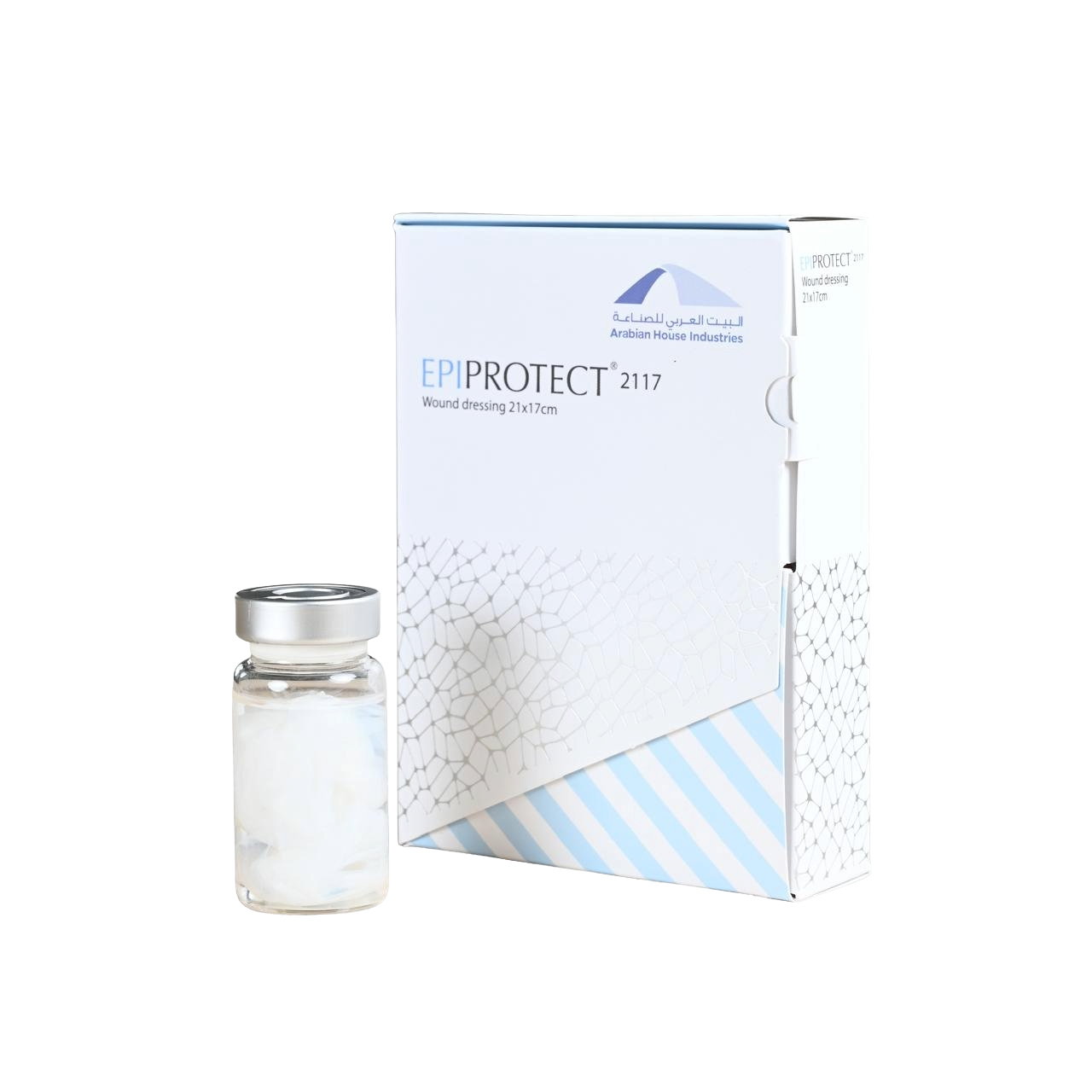
A short demonstration of how Epiprotect adheres to the wound and forms a temporary biosynthetic epithelium.
Epiprotect is a cell-free, biosynthetic membrane built on S2Medical's patented eiratex® fiber technology. Its nanostructure mirrors human collagen, giving it extremely high biocompatibility and full functionality as a temporary epithelium.
AHI manufactures two variants of the platform: EPIPROTECT® 2117 (21 × 17 cm dressing for partial-thickness burns and acute wounds) and EPIPROTECT® Ulcer (vial-packaged dressing for diabetic, venous, pressure, and other chronic ulcers). Both stay attached until the wound is re-epithelialized and then naturally release.
Six stages, from cleaned wound to flake-off, driven by eiratex®'s collagen-like nanostructure and 73 m²/g of active fiber surface area.
Debride the wound and remove dead tissue to expose a healthy bed for the membrane.
Place Epiprotect over the wound and press out air bubbles. Overlap 2–3 cm if using multiple dressings.
The membrane attaches intimately to the wound, forming a cell-free temporary epithelium. No staples, glue, or suture required.
A bacterial barrier seals the wound while remaining gas permeable, allowing oxygen and water vapor to pass through.
Growth factors and proteins are retained in the environment; inflammatory factors and endotoxins are actively absorbed.
Once re-epithelialization is complete, the dressing dries out at the margin and naturally lifts off the healed skin.
Adopted across burn centers worldwide, from Sweden and the UK to the UAE, KSA, and Nigeria. Epiprotect covers the full spectrum of burn and graft care.
Fully compatible with antibiotics. Topical water-soluble anti-microbials can be applied through the dressing when infection risk is present, without compromising adhesion.
Head-to-head published comparison of Epiprotect against leading burn-care modalities.
| Property | Epiprotect | Biobrane | Suprathel | Xenograft | SSD (Flamazine) | Silver Foams |
|---|---|---|---|---|---|---|
| Mean healing time | 15 days | 32 days | 38 days | Longer | 22+ days | ~22 days |
| Infection rate | 7.7% | 22% | 14.3% | – | Higher | Higher |
| Pain score (1–10) | 1 | 2 | 1.5 | – | Higher | – |
| Scar quality (VSS) | 4Majid et al. | – | – | Inferior | – | – |
| Single application | ✓ | ✓ | ✓ | × | × | × |
| Near-total transparency | ✓ | Partial | × | × | × | × |
| Impermeable to bacteria | ✓ | Mixed | Mixed | × | × | Mixed |
| 100% animal/human-free | ✓ | × | ✓ | × | ✓ | ✓ |
Now our children play and laugh instead of scream and cry.
"We can release our patients earlier by using Epiprotect."
European burn center
"Follow-ups hardly take any time at all with Epiprotect."
Adopted across 10+ hospitals worldwide
Tight wound adherence covers exposed nerve endings, so patients rarely require analgesics.
Impermeable microbial barrier reported infection at 7.7%, well below Biobrane (22%) and Suprathel (14.3%).
Prevents premature wound contraction and myofibroblast activation, improving long-term cosmetic outcomes.
Monitor wound progress without removing the dressing, reducing follow-up time and disturbance.
Superior conformability. Even facial burns can be dressed efficiently without compromise.
Stays attached until re-epithelialization, then naturally releases. No painful changes, no trauma.
A selection of peer-reviewed studies and case reports documenting Epiprotect's performance in partial-thickness burns, donor sites, and chronic wounds.
Mean healing of 15 days, less than half the time of Biobrane (32 days) or Suprathel (38 days) across a head-to-head study of partial-thickness burns.
Gallagher et al. · Multi-modalityEpiprotect-treated partial-thickness burns healed in a mean of 11 days vs ~23 days on SSD (Flamazine), with significantly less pain throughout treatment.
Aboelnaga et al. · Burns 2018Epiprotect achieved a Vancouver Scar Scale score of 4, outperforming non-adherent gauze (VSS 6), with scar quality superior to xenograft in randomized trial.
Majid et al. · Karlsson et al.Case reports across Sweden, UAE, and Nigeria show full re-epithelialization of infected partial-thickness facial and pediatric burns by day 14–21, with minimal pain during treatment.
Case series · Multi-center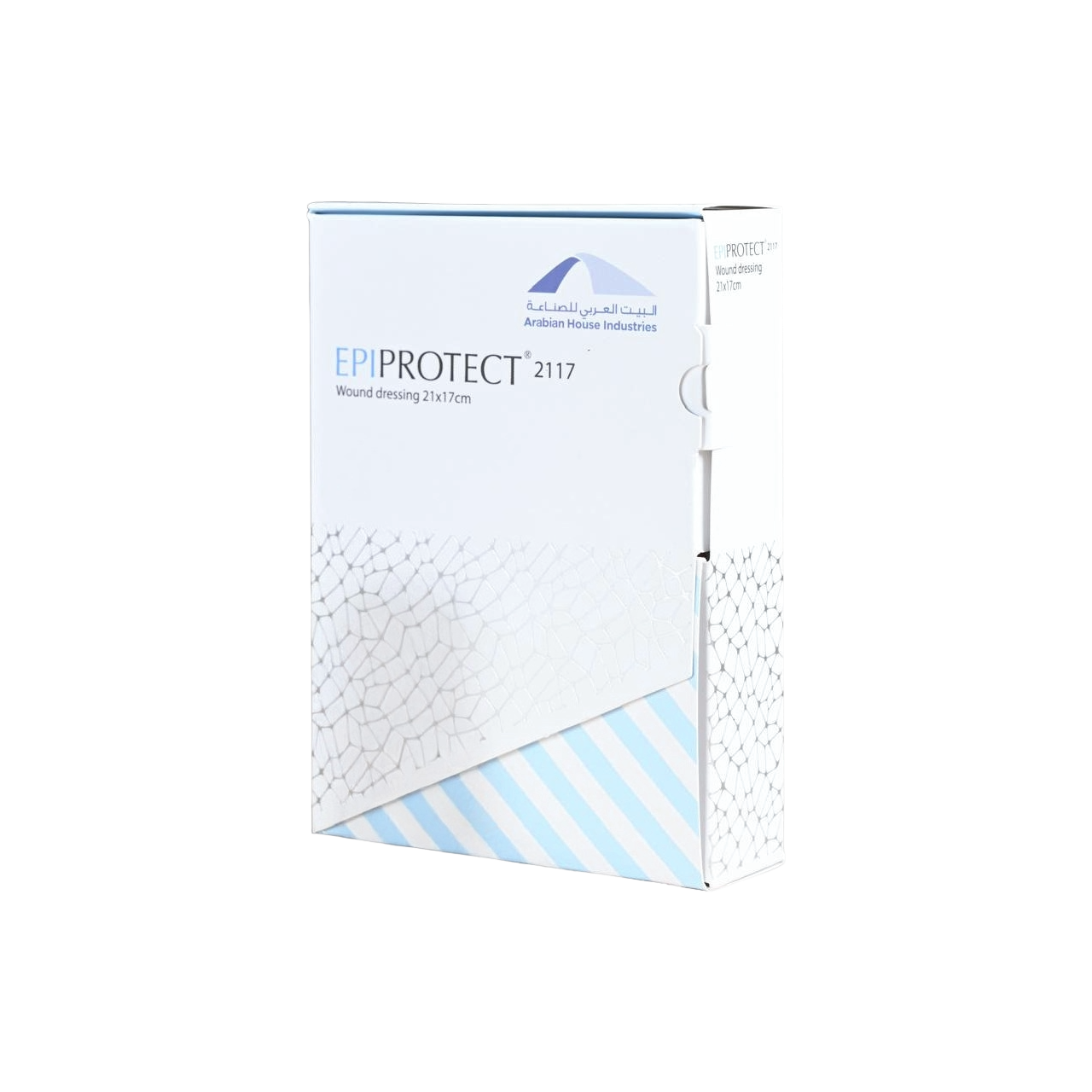
Through a strategic partnership with S2Medical (Sweden), AHI manufactures both EPIPROTECT® 2117 (burn & acute wound dressing) and EPIPROTECT® Ulcer (chronic ulcer dressing) at our Riyadh cleanroom facility — Saudi-made advanced wound care delivered to hospitals across the Kingdom and the wider GCC.
 Officially Certified Saudi Made Program
 In-service training, conferences, and clinical engagements where AHI introduced Epiprotect to burn and wound care teams across the Kingdom and the region.
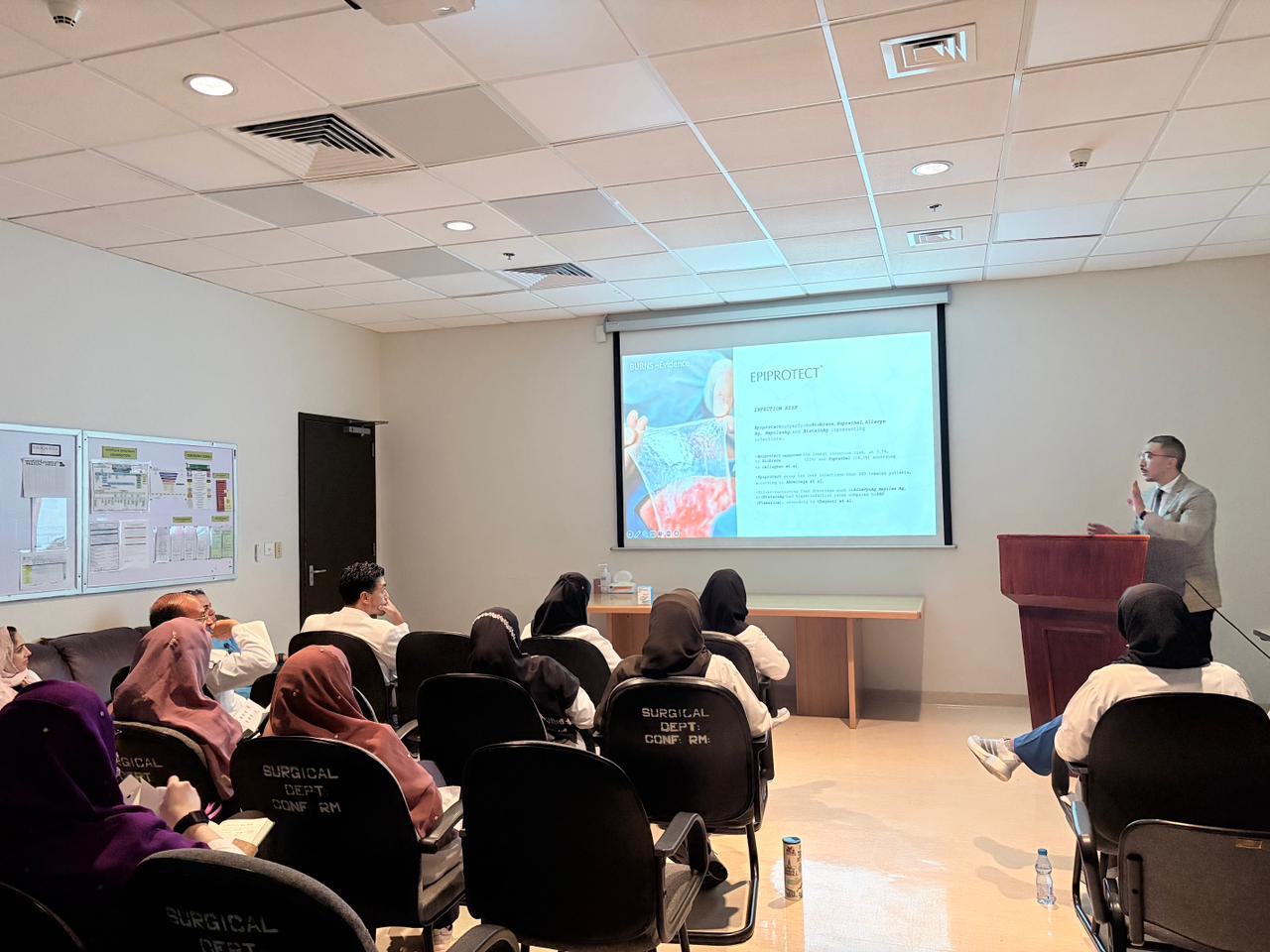 2026 1 photo
 Continued in-service training at hospital sites, walking through Epiprotect application across burn and wound care indications.
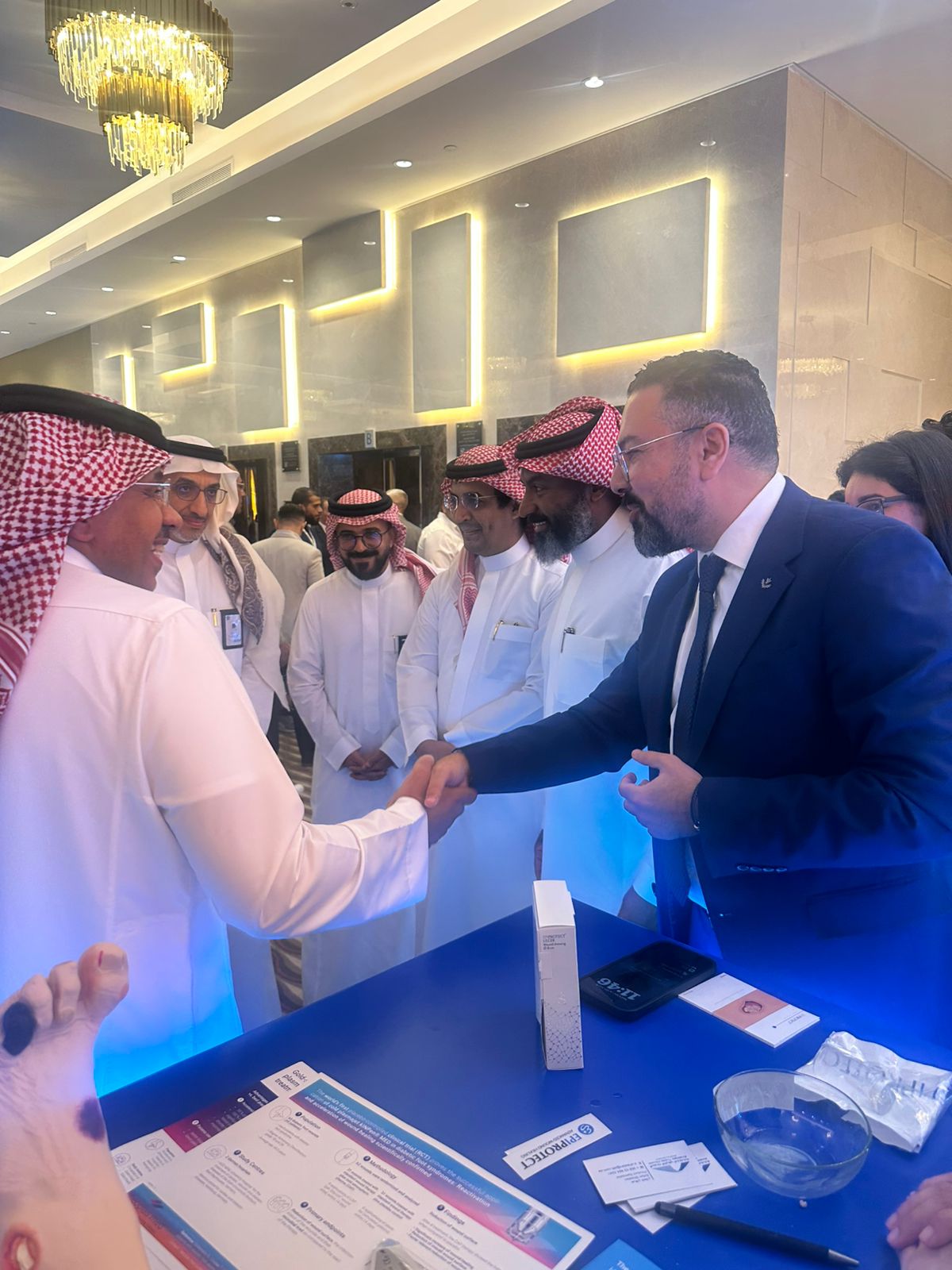 2025 1 photo
 AHI presented Epiprotect at the second international wound care conference, contributing to the regional dialogue on advanced wound healing.
 2025 1 photo
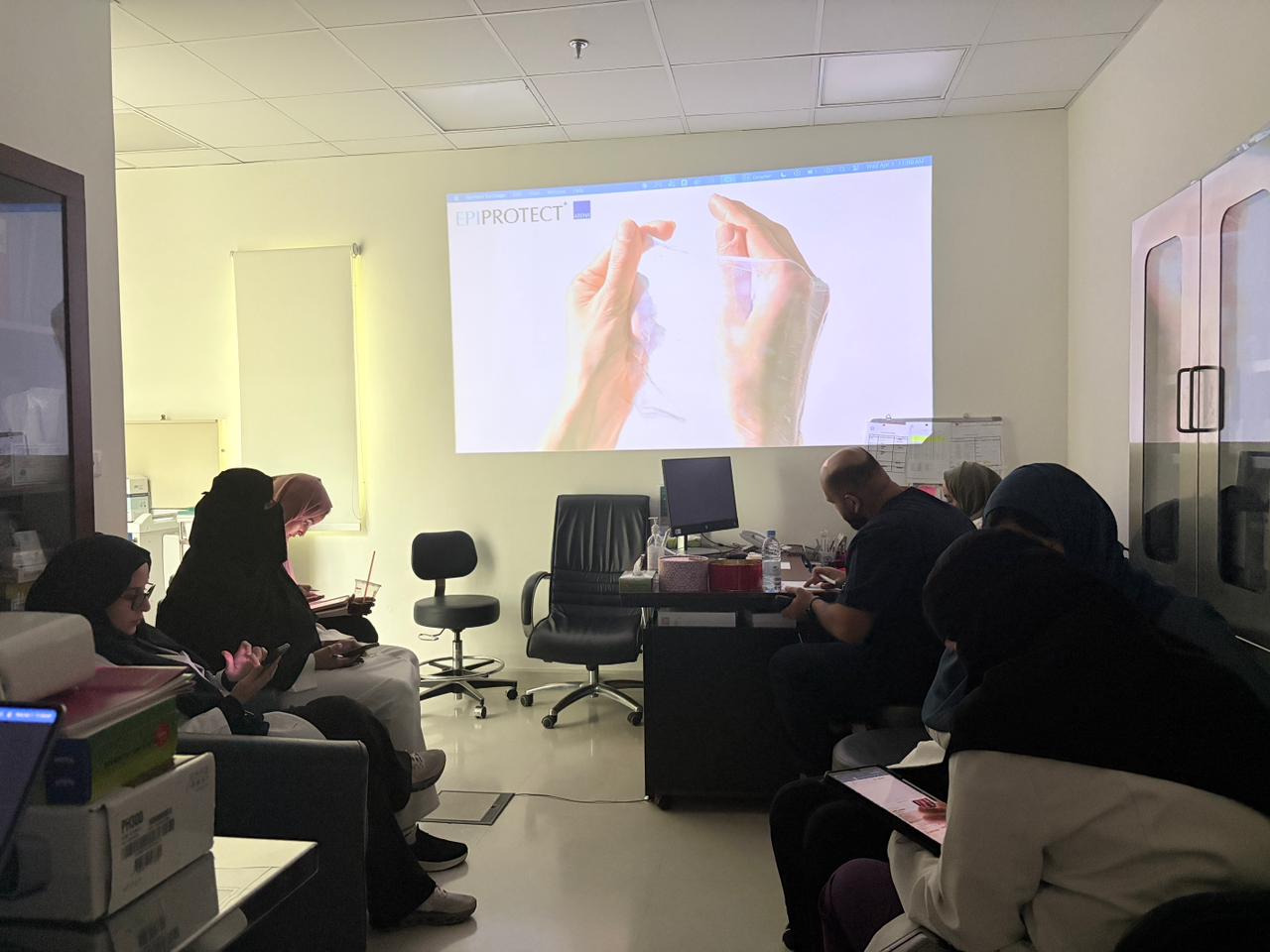
 An in-service training session conducted by AHI to share Epiprotect application techniques and best practices with clinical teams.
 2024 1 photo
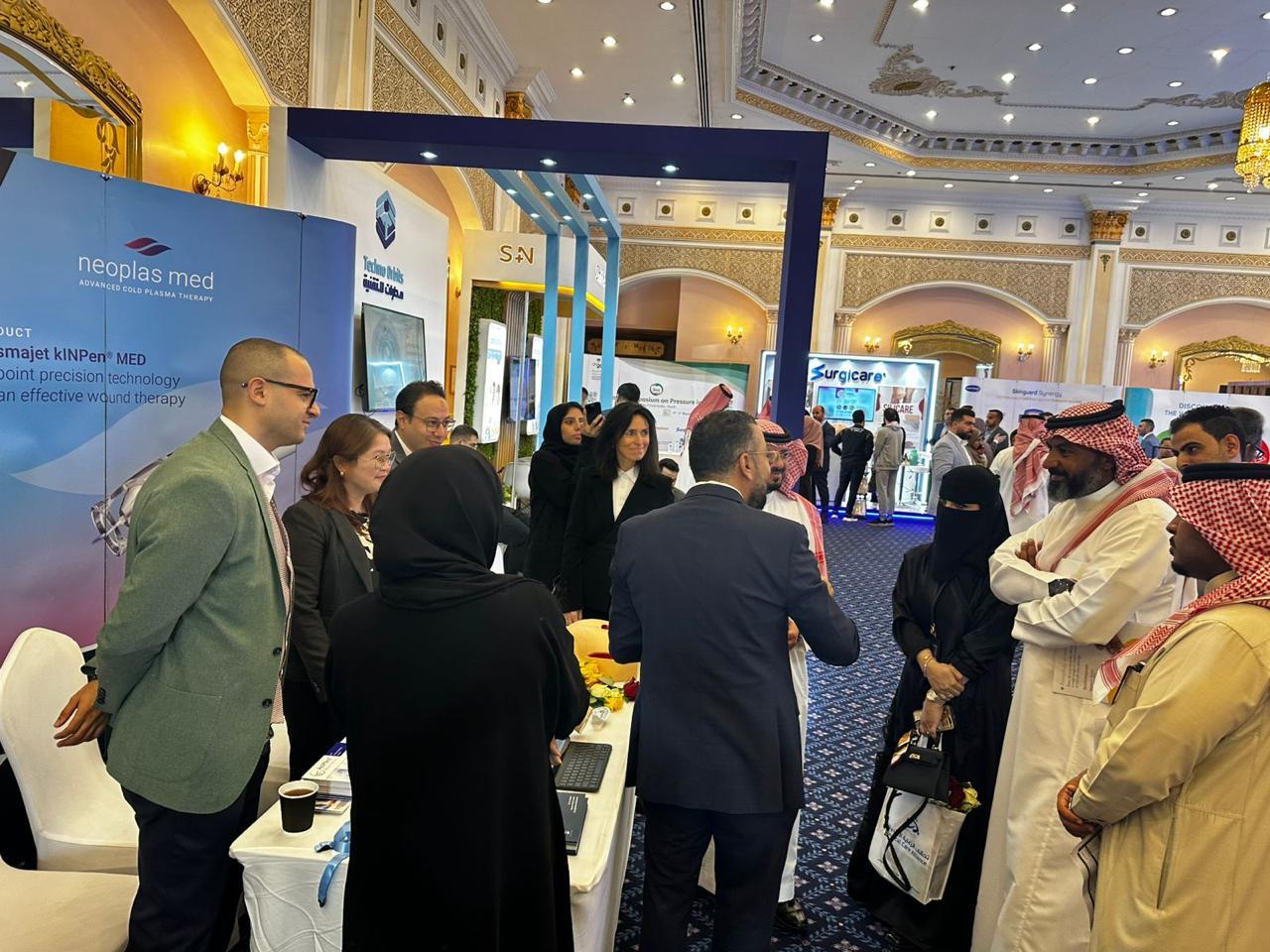
 Epiprotect featured at the international diabetic foot conference, alongside clinicians focused on complex foot wound management.
 2023 1 photo
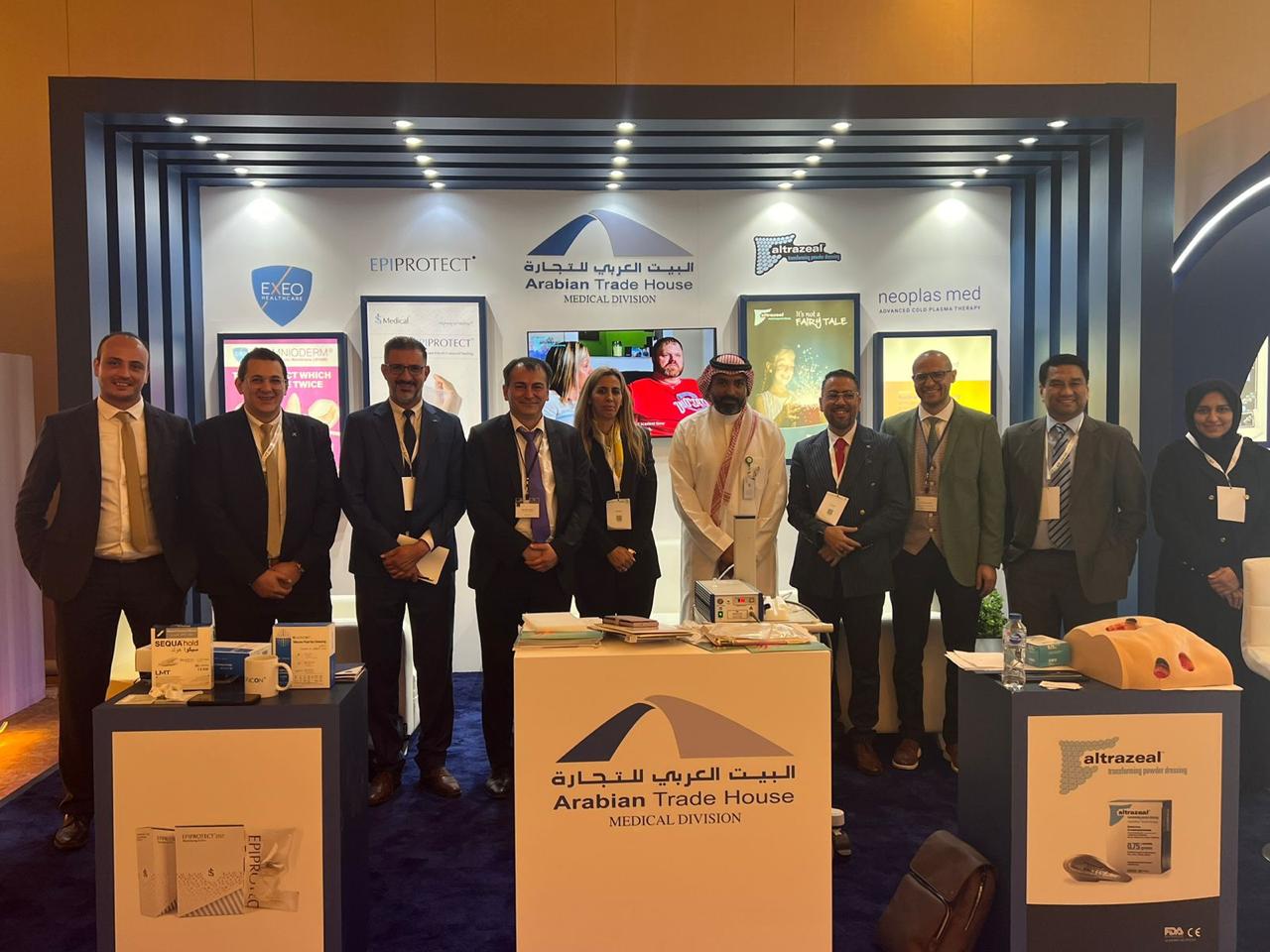
 AHI showcased Epiprotect at the international diabetic foot conference in Riyadh, engaging with regional specialists on burn and wound care.
Talk to AHI about availability, clinical training, and distribution of Epiprotect across the Kingdom and the wider GCC.