Pathogen Reduction Cerus Corporation · USA

INTERCEPT™ Blood System.
Effective and reliable pathogen inactivation.

A photochemical treatment that inactivates a broad spectrum of viruses, bacteria, parasites, and contaminating leukocytes in platelet and plasma components. The only FDA-approved pathogen reduction technology for blood components, now localized in the Kingdom through AHI.

  • >4log Reduction across spectrum
  • 3J/cm² Target UVA dose
  • 2 Components: platelets & plasma
  • SFDA MDMA Approved
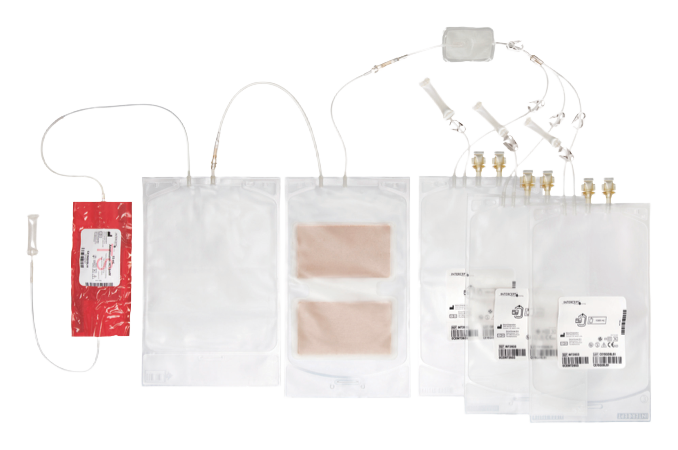
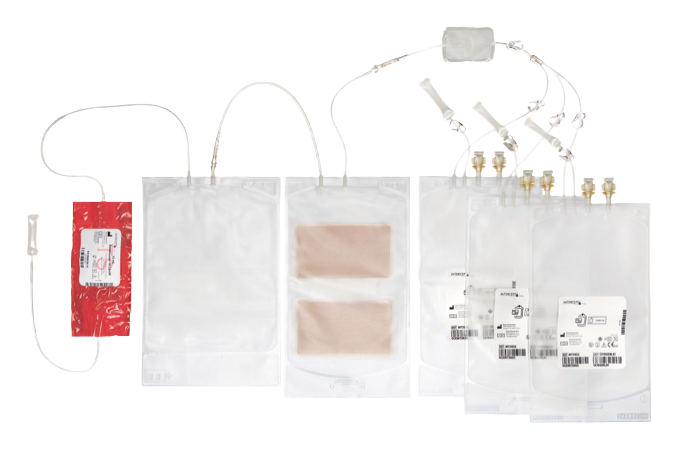
INTERCEPT Blood System processing set for platelets
Inactivates pathogens
Preserves component function
Single platform for both components
In Action

Watch the INTERCEPT Blood System.

A short demonstration of the photochemical treatment workflow, from amotosalen mixing through UVA illumination to release of the treated component.

Demo Reel Watch Demo
What is INTERCEPT

A proactive shield for the blood supply.

The INTERCEPT Blood System is a photochemical treatment that targets the nucleic acids of pathogens and residual donor leukocytes in platelet and plasma components. Amotosalen, a synthetic psoralen, reversibly intercalates into the helical regions of DNA and RNA; on illumination at 320–400 nm it forms covalent bonds with pyrimidine bases, locking nucleic-acid strands so that pathogens and leukocytes can no longer replicate or function. No pharmacological effect of residual amotosalen is intended.

The treatment is completed in a closed, single-use disposable kit on the INT100 Illuminator — a single platform that processes both platelets and plasma. AHI manufactures the disposable kits locally; the illuminator, the active compound, the process-management software, and the approved platelet additive solutions are supplied through our Cerus partnership.

  • Reduces the risk of transfusion-transmitted viruses, bacteria, and parasites
  • Inactivates contaminating donor leukocytes, preventing TA-GvHD
  • An approved alternative to gamma irradiation (≥10× greater T-cell inactivation than the recommended gamma dose), CMV testing, and leukoreduction
  • Backed by hemovigilance data from France (ANSM) and Switzerland (Swissmedic)
Why Pathogen Reduction

Transfusions save lives — but are not without risk.

Despite donor selection, testing, storage limits and quarantine, an intolerable level of residual risk remains. INTERCEPT is a proactive strategy that inactivates the threat before transfusion, rather than waiting to detect it.

Infectious Risk · TTID

Pathogens that contaminate the blood supply.

Blood may carry harmful organisms that lead to transfusion-transmitted infectious diseases (TTID) — a risk that keeps growing as new pathogens emerge faster than screening tests can be developed.

  • Bacteria — the most common infectious risk in room-temperature platelets; roughly 1 in 950 units is contaminated, and 25–41% of those can cause sepsis
  • Viruses & emerging pathogens — HIV, HBV, HCV, plus emerging agents such as Zika, Dengue and Chikungunya
  • Parasites — malaria, Babesia, Trypanosoma cruzi (Chagas) and Leishmania
Non-Infectious Risk

Residual cells and proteins that trigger reactions.

Residual leucocytes, inflammatory cytokines and chemokines, IgA, and anti-HLA / anti-HNA antibodies in donated components can provoke serious adverse reactions.

  • Transfusion-associated graft-vs-host disease (TA-GvHD)
  • Transfusion-related acute lung injury (TRALI)
  • Febrile non-haemolytic transfusion reactions (FNHTR)
  • Allergic / anaphylactic (ATR) & hypersensitivity (HTR) reactions
  • Acute respiratory distress syndrome (ARDS)

One proactive treatment for both. INTERCEPT inactivates viruses, bacteria, parasites and contaminating donor leukocytes in a single step — a recognised alternative to gamma irradiation that may help reduce the frequency of adverse transfusion reactions.

I saw the devastation that bacterial contamination could cause. It was something I wanted to make sure would never happen again. When I learned that INTERCEPT Platelets were available, it was a no-brainer to say: okay, we need to adopt this technology.
Mary Berg, MD Medical Director, Transfusion Medicine Service · University of Colorado
Mechanism of Action

Cross-link the genome. Stop replication.

Six stages, from amotosalen mixing to release of the treated component, driven by a targeted UVA reaction at 320–400 nm.

01

Mix

Amotosalen flows into the component, intercalating into the helical regions of pathogen DNA and RNA.

02

Illuminate

The INT100 Illuminator delivers a controlled 3 J/cm² UVA dose at 320–400 nm in roughly 3–6 minutes.

03

Cross-link

Activated amotosalen forms covalent bonds with pyrimidine bases, locking nucleic acid strands together.

04

Inactivate

Pathogen and leukocyte genomes can no longer replicate or function, neutralizing the threat.

05

Adsorb

A compound adsorption device (CAD) reduces residual amotosalen and free photoproducts to low levels.

06

Release

The treated component is transferred to a storage container, ready for clinical use.

What AHI Manufactures

Two disposable processing kits, made in the Kingdom.

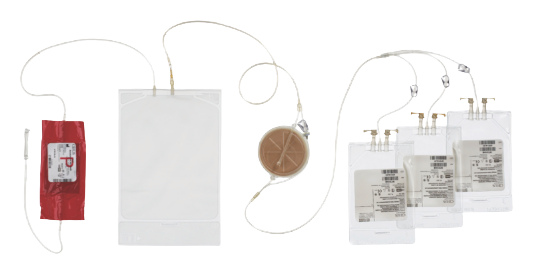
AHI manufactures the sterile, single-use INTERCEPT processing sets for platelets and plasma at our Riyadh facility. Each kit is a fluid-path-integrated disposable containing the amotosalen container, illumination container, compound adsorption device (CAD), and storage containers — sequentially integrated and ready for a single illumination cycle.

Platelets

INTERCEPT Processing Kit
INTERCEPT Blood System for Platelets — integrated processing set

An integrated, single-use disposable for the ex vivo preparation and storage of pathogen-inactivated whole-blood-derived and apheresis platelets. Stored up to 7 days at 20–24 °C with continuous gentle agitation, with no substantial change to pH, count, morphology, aggregation, or shape change versus untreated platelets.

  • Apheresis or whole blood-derived · 100% plasma or 35%/65% PAS
  • Four configurations: Small Volume, Large Volume, Dual or Triple Storage
  • Indicated for thrombocytopenia and qualitative platelet disorders
  • Alternative to gamma irradiation for prevention of TA-GvHD
  • May replace CMV testing & leukoreduction

Manufactured by AHI · Riyadh, Kingdom of Saudi Arabia

Plasma

INTERCEPT Processing Kit
INTERCEPT Blood System for Plasma — integrated processing set

An integrated, single-use disposable for the ex vivo preparation and storage of pathogen-inactivated plasma. Treats apheresis or whole-blood-derived plasma in volumes of 385–650 mL at 150 µM pre-illumination amotosalen, followed by CAD adsorption and frozen storage by standard methods.

  • 2 or 3 transfusion units per treatment · 3 storage containers
  • Stored as frozen plasma; thawed product usable up to 5 days at 2–6 °C
  • For plasma transfusion and therapeutic plasma exchange
  • Single & multiple coagulation factor and antithrombotic protein deficiencies
  • Plasma exchange for thrombotic thrombocytopenic purpura (TTP)

Manufactured by AHI · Riyadh, Kingdom of Saudi Arabia

System scope: AHI manufactures the two disposable kits shown above. The supporting INTERCEPT INT100 Illuminator (Class IIa), amotosalen HCl active compound, INTERCEPT Connect software, and approved platelet additive solutions are supplied through our partnership with Cerus Corporation (USA) and authorized third parties. AHI is the regional partner for deployment, regulatory pathway, clinical training, and lifecycle service.

Broad-Spectrum Inactivation

Robust log reduction across known & emerging pathogens.

A >4 log reduction is achieved for most pathogens, including AABB-listed priority agents for blood transfusion.

Priority PathogenTypeLog reduction (Platelets)Log reduction (Plasma)
HIV-1 (cell-free)Virus> 6.2> 6.8
HBV DHBV modelVirus> 5.5> 4.5
HCV BVDV modelVirus> 6.0≥ 6.0
West Nile VirusVirus> 6.0≥ 6.8
ChikungunyaVirus> 6.4≥ 7.6
Influenza A H5N1Virus> 5.9≥ 5.7
SARS-CoVVirusNT≥ 5.5
Plasmodium falciparum (malaria)Parasite≥ 6.0≥ 6.9
Babesia microti (babesiosis)Parasite> 5.3> 5.3
Trypanosoma cruzi (Chagas)Parasite> 5.3> 5.0
Treponema pallidum (syphilis)Spirochete≥ 6.8> 5.9
Borrelia burgdorferi (Lyme)Spirochete> 6.8> 10.6

Enveloped viruses

HIV-1/2, HBV, HCV, HTLV-I/II, WNV, CMV, SARS-CoV-2, Avian Influenza A, Zika, Yellow Fever, Chikungunya, Dengue.

Non-enveloped viruses

Bluetongue (type 11), Feline calicivirus, Human adenovirus 5.

Gram-positive bacteria

S. aureus (including MRSA), S. epidermidis, S. pyogenes, Listeria, Bacillus, Clostridium & more.

Gram-negative bacteria

E. coli, Klebsiella, Pseudomonas, Salmonella, Yersinia, Serratia, Enterobacter and more.

Parasites & spirochetes

T. cruzi, Plasmodium falciparum, Leishmania, Babesia microti, Treponema pallidum, Borrelia burgdorferi.

Contaminating leukocytes

Inactivates donor T-cells, preventing transfusion-associated graft-versus-host disease (TA-GvHD).

Important: no pathogen reduction process eliminates all pathogens. Certain non-enveloped viruses — including hepatitis A and E, parvovirus B19, and poliovirus — and Bacillus cereus spores have demonstrated resistance to the INTERCEPT process. Refer to the Technical Data Sheet and Instructions for Use for the full list of warnings and pathogens inactivated.

The AABB has identified 68 emerging agents with actual or potential risk of transfusion transmission. The INTERCEPT Blood System provides a proactive defense, one treatment, broad-spectrum protection.
Stramer, et al. Transfusion 2009;49:35S · Emerging infectious disease agents

"Robust inactivation is achieved with a >4 log reduction for most pathogens of clinical concern."

INTERCEPT Technical Data Sheet

Hemovigilance data from France (ANSM) and Switzerland (Swissmedic) confirm the safety profile of INTERCEPT-treated platelets in routine clinical use.

National post-marketing programs
The Value

The proactive blood safety solution.

A holistic solution for hospitals and blood centres — helping to protect patients, improve availability, safeguard clinical outcomes, and deliver significant operational efficiencies.

Protects patients

Proactive, broad-spectrum reduction of transfusion-transmitted infections by inactivating bacteria, viruses, parasites and leukocytes — addressing both known and unknown risks.

Improves availability

Helps keep platelets and plasma safe and accessible during outbreaks, extends platelet shelf life, and reduces wastage of critical blood components.

Safeguards clinical outcomes

Provides optimal products to patients with life-threatening disease or massive bleeding, lowering the chance of pathogen-related complications in the severely ill.

Operational efficiency

Simplifies donor selection and testing and can offset its investment cost through optimised collection, reduced waste, and one platform for both components.

Single platform

One INT100 Illuminator processes both platelets and plasma, stackable two-high for space efficiency in the blood centre.

Full traceability

INTERCEPT Connect tracks every cycle and exports batch and process-history reports for complete audit visibility.

Clinical Evidence

Two decades of clinical experience.

Pivotal randomized trials and large-scale hemovigilance programs documenting the performance and safety of INTERCEPT-treated components.

SPRINT

Apheresis platelets · pivotal RCT

Randomized, double-blinded trial in 645 thrombocytopenic patients demonstrating non-inferiority of INTERCEPT apheresis platelets to conventional apheresis platelets in prevention and treatment of WHO Grade 2+ bleeding.

Apheresis · n=645 · Multi-center
euroSPRITE

Whole-blood buffy-coat platelets

Randomized, double-blinded trial of 103 patients demonstrating that INTERCEPT buffy-coat platelets in 35% plasma / 65% InterSol provide equivalent one and 24-hour post-transfusion count increments and adverse-event profile to untreated platelets.

Buffy coat · n=103
TESSI

Stored INTERCEPT platelets · 6–7 days

Non-inferiority study of 211 patients (80% of components stored 7 days) confirming hemostatic efficacy and equivalent safety profile of INTERCEPT platelets stored 6–7 days versus conventional platelets of similar age.

Storage · n=211 · CCI primary
ANSM

French hemovigilance, since 2009

Active post-marketing surveillance of INTERCEPT Platelets transfused in France since 2009. ATR frequencies for INTERCEPT components are comparable to or lower than conventional platelets (1–2 events per 1,000 components).

Post-marketing · ANSM 2009–present
Swissmedic

Switzerland, 100% adoption since 2011

After phase-in to 100% of Swiss platelet supply in 2011, no septic transfusion reactions have been observed; Swissmedic also reported a significant reduction in severity of non-infection-related transfusion reactions following INTERCEPT adoption.

Hemovigilance · 100% national supply
Plasma PMS

Plasma post-marketing · 57,171 components

Cerus hemovigilance study of 57,171 INTERCEPT plasma components transfused to 9,669 patients in 22,101 episodes: ATRs in 0.2% of episodes, most mild and consistent with recognized transfusion reactions.

Plasma PMS · n=9,669
Why it performs
  • Targets nucleic acids common to all pathogens with a genome
  • Active against viruses, bacteria, parasites & donor leukocytes in one step
  • Compound adsorption removes residual amotosalen before transfusion
  • No pharmacological effect of residual amotosalen is intended
  • Two decades of post-marketing experience in Europe and beyond
Global Footprint

Where INTERCEPT is already routine.

Two decades of clinical use have made INTERCEPT the most widely adopted pathogen reduction system for platelets and plasma — now manufactured in the Kingdom by AHI.

23M+ INTERCEPT-treated doses to date
  • 3M+Treated each year
  • 20+Years in routine use
  • 300+Blood centres
  • 40+Countries

Europe20

AustriaBelarusBelgiumBosnia & HerzegovinaCzech RepublicFranceGermanyGreeceIcelandItalyLuxembourgNorwayPolandPortugalRussiaSlovakiaSloveniaSpainSwedenSwitzerland

Americas10

BrazilCanadaCosta RicaEl SalvadorHondurasMexicoPanamaPuerto RicoUruguayUSA

Middle East & Africa4

Saudi ArabiaUAEKuwaitEswatini

Asia-Pacific7

Hong KongKazakhstanMongoliaThailandTurkmenistanFrench PolynesiaNew Caledonia

In 14 of these countries INTERCEPT treats more than half of all platelets — the national standard of care.

INTERCEPT Blood System global routine-use data, Cerus Corporation (June 2026). Treated-dose estimates are based on kits sold to date and are approximate.

In the Kingdom

Localized through AHI.

Through an exclusive regional collaboration with Cerus Corporation (USA), Arabian House Industries manufactures the INTERCEPT platelet and plasma processing kits at our Riyadh facility, under SFDA licensing and ISO 13485 quality framework, and serves as the regional partner for deployment of the broader INTERCEPT Blood System across blood banks in the Kingdom and the wider GCC.

AHI manages the regulatory pathway, clinical onboarding, and consumables supply for the locally manufactured kits. The supporting INT100 Illuminator, amotosalen HCl, INTERCEPT Connect software, and approved platelet additive solutions are supplied through our partnership with Cerus and authorized third parties — raising the safety baseline of transfusion medicine for patients across the region.

SFDA · MDMA Approved Saudi Made · processing kits
Specifications

Product & regulatory details.

System
INTERCEPT Blood System for Platelets and Plasma
Active Compound
Amotosalen HCl · synthetic psoralen (supplied by Cerus)
Light Source
Long-wave UVA · 320–400 nm
Target UVA Dose
3 J/cm² · microprocessor-controlled
Pre-Illumination Concentration
~150 µM amotosalen (platelets & plasma)
Platelet Storage
Up to 7 days at 20–24 °C with continuous gentle agitation
Plasma Volume Range
385–650 mL incl. anticoagulant · RBC < 4×10⁶/mL
Plasma Storage
Frozen by standard methods · thawed product usable up to 5 days at 2–6 °C
Platelet Kits (AHI-manufactured)
SV, LV, DS, TS · PAS or 100% plasma suspension
Plasma Kits (AHI-manufactured)
2 or 3 transfusion units per treatment · 3 storage containers
Illuminator
INT100 (16 UVA bulbs) or next-gen INT200 LED · 4 platelet / 6 plasma units per cycle (supplied by Cerus)
Software
INTERCEPT Connect · INT510 process data management (supplied by Cerus)
Approved Additive Solutions
InterSol® · SSP+ · T-PAS+ · Grifols PAS III M (third-party)
Regulatory Status
SFDA Approved · MDMA Issued · FDA Approved · CE Marked
Contraindication
History of allergic response to amotosalen or psoralens
Hemovigilance
ANSM (France) · Swissmedic (Switzerland)
Kit Manufacturer
Arabian House Industries · Riyadh, KSA
Technology Partner
Cerus Corporation, USA
Events & Engagements

CERUS milestones in the Kingdom.

Highlights from regulatory milestones and engagements that have brought the INTERCEPT Blood System closer to clinical practice in Saudi Arabia.

2026

2 Milestones
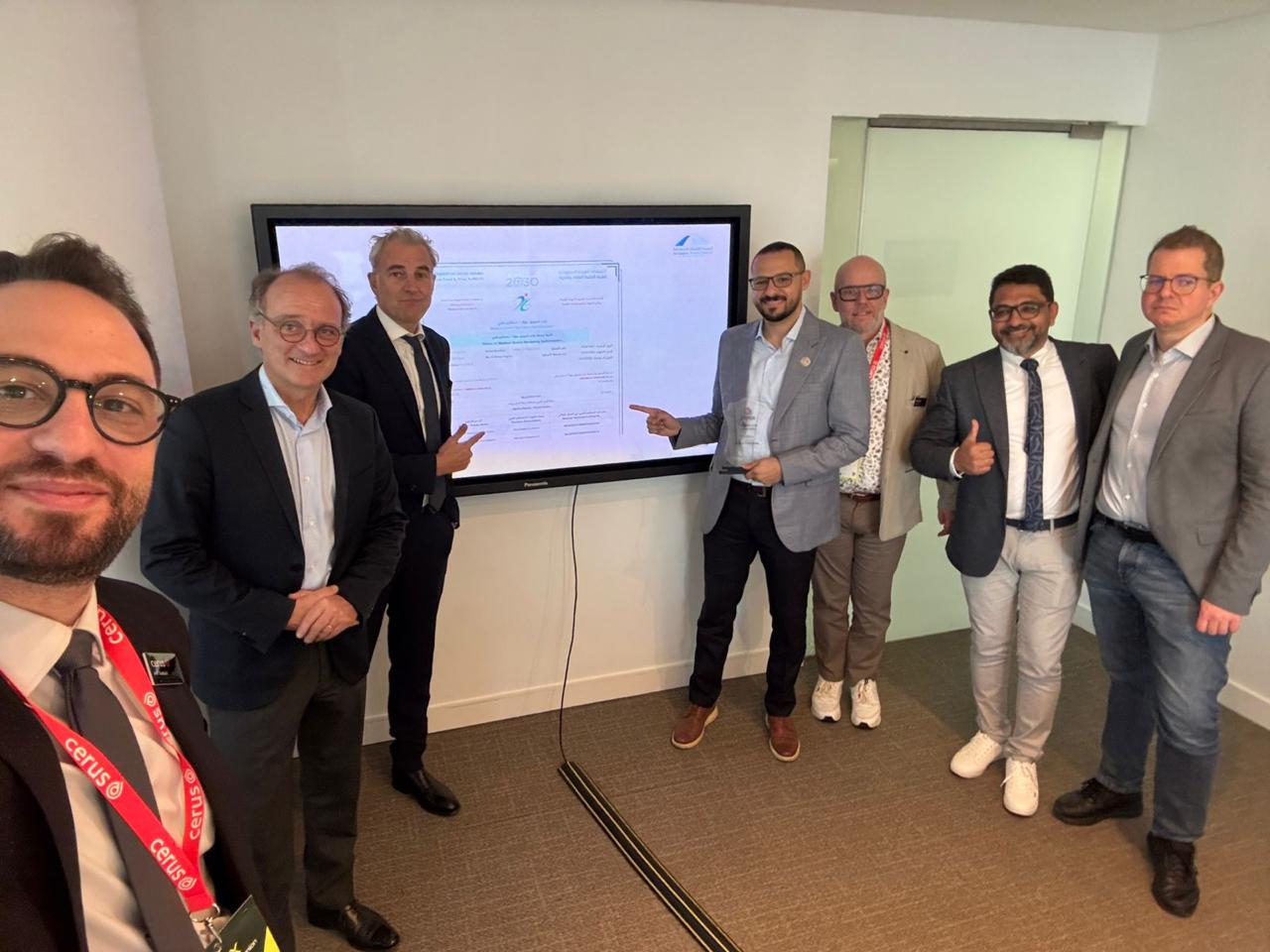
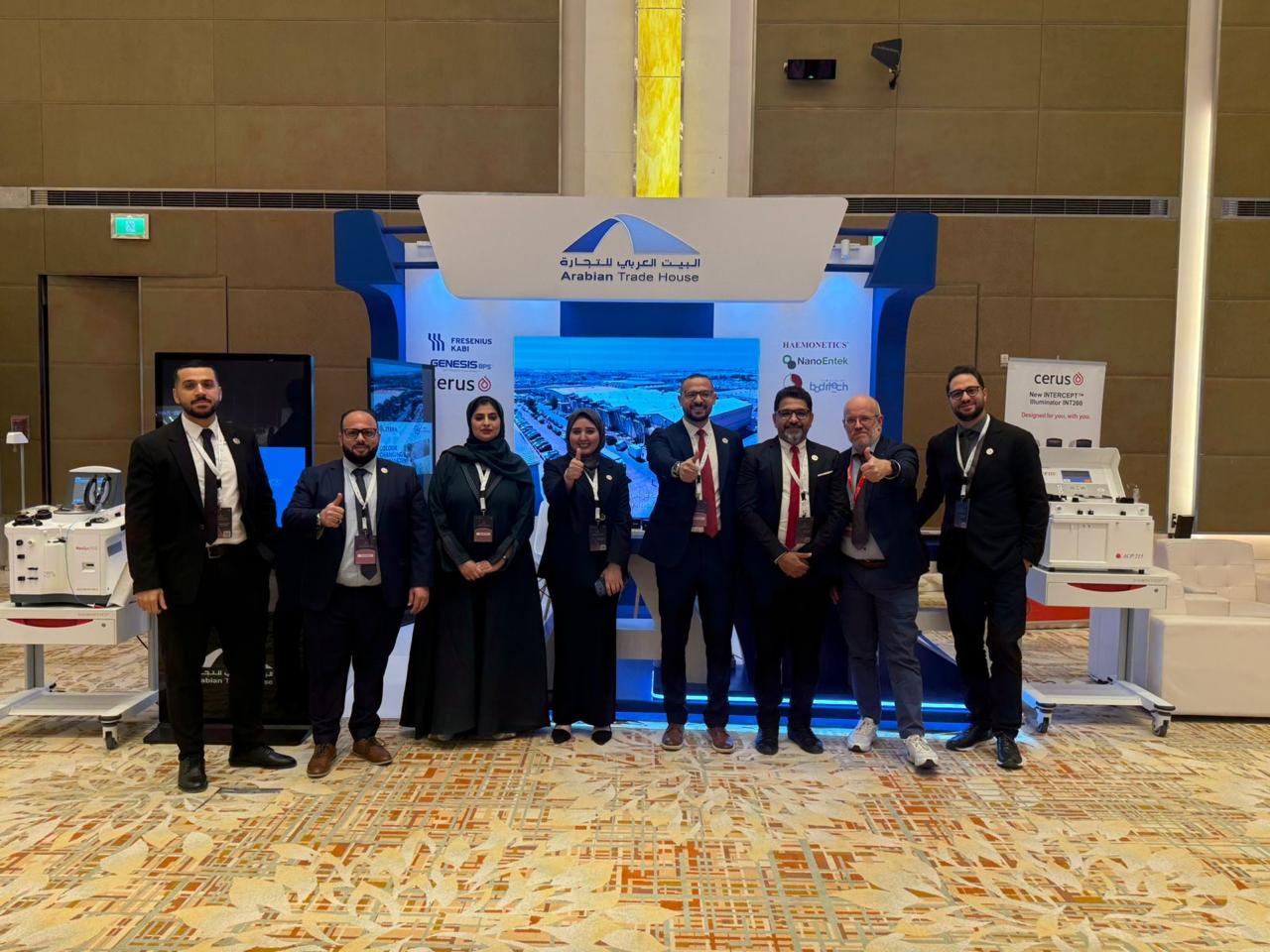
Celebrating the SFDA MDMA approval for INTERCEPT Apr 2026 2 photos
Regulatory · KSA

SFDA MDMA Approval Celebration

Marking the issuance of the SFDA Medical Device Marketing Authorization for the INTERCEPT Blood System, a milestone that brings pathogen reduction technology into the Kingdom's transfusion practice.

CERUS engagement with regional partners 2026 1 photo
Engagement

CERUS Engagement

AHI engagement around the INTERCEPT Blood System with clinical and operational partners across the region.

Bring INTERCEPT to your blood bank.

Talk to AHI about implementation, regulatory pathway, clinical training, and consumables supply for the INTERCEPT Blood System across the Kingdom and the wider GCC.